Walking the Walk
For Brooklyn Sulaeman, Staff Engagement Coordinator, Diversity and Inclusion (OD HR) at the University of Sydney, supervising a trainee means much more than task management or professional development – it’s about trust, safety and shared learning.
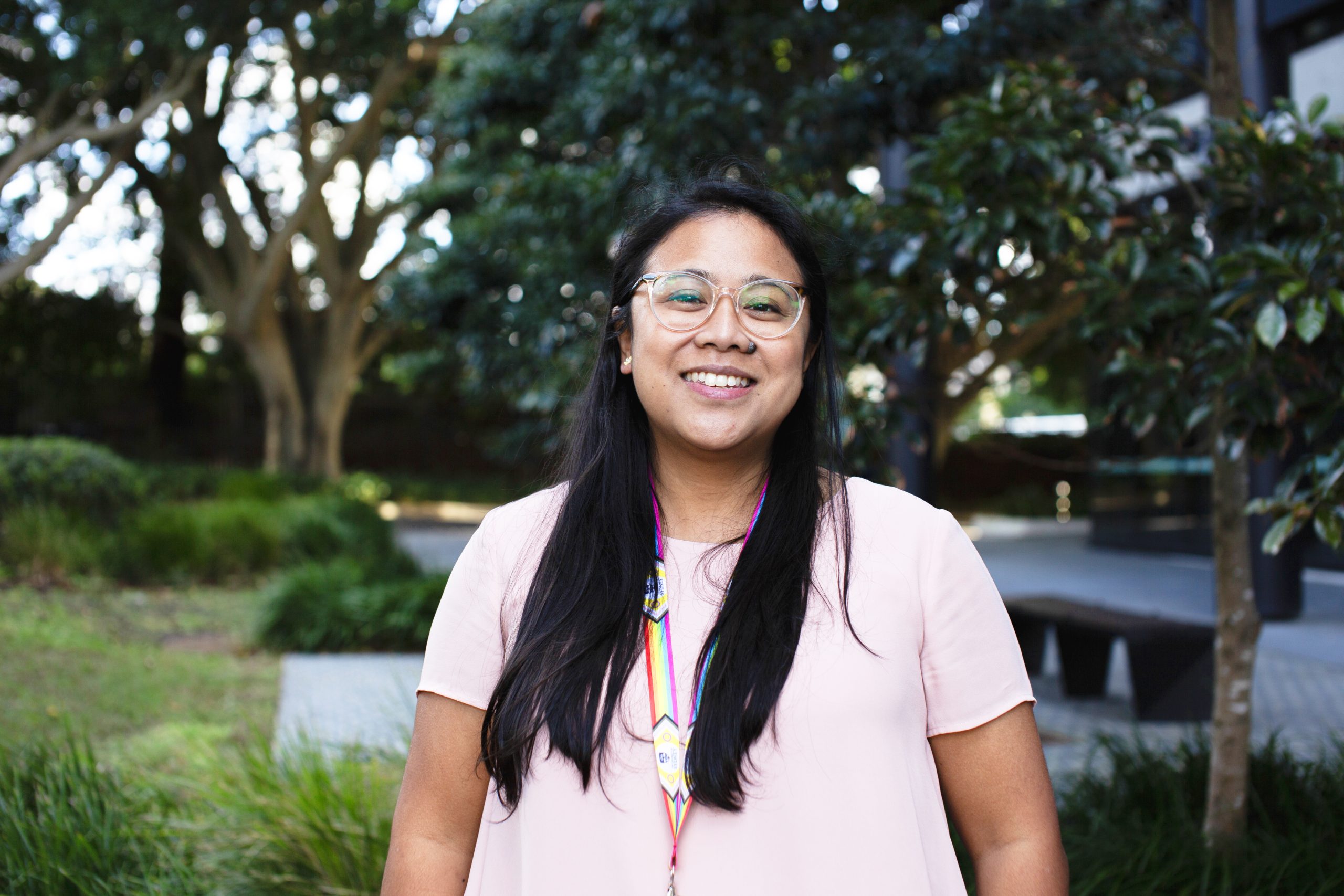
As the supervisor of First Nations trainee Elizabeth (Lizzy) Barker, Events and Engagement Trainee within the Diversity and Inclusion team, Brooklyn reflects on the experience as one that has been just as transformative for her as it has been for Lizzy.
“It’s been such an incredible experience having the opportunity to supervise and mentor Lizzy.”
“Watching her grow in confidence, from speaking up in meetings, engaging with stakeholders and holding her own at events has been really rewarding.”
From the outset, Brooklyn was intentional about creating a work environment where Lizzy felt comfortable, supported and able to be herself. Working in the diversity and inclusion space can be confronting at times, but Brooklyn believes that meaningful work and a sense of fun can and should coexist.
“This is important work, but we always make sure we’re having fun too. When people feel safe and supported, they’re more willing to contribute, be creative and bring their whole selves to the role.”
That sense of safety is something Brooklyn actively checks in on.
“Since becoming a supervisor, one of my biggest priorities has been keeping Lizzy feeling safe and comfortable. I’m constantly asking myself, ‘Is this safe? Is this something Lizzy would feel comfortable with?’ That ongoing reflection is really important.”
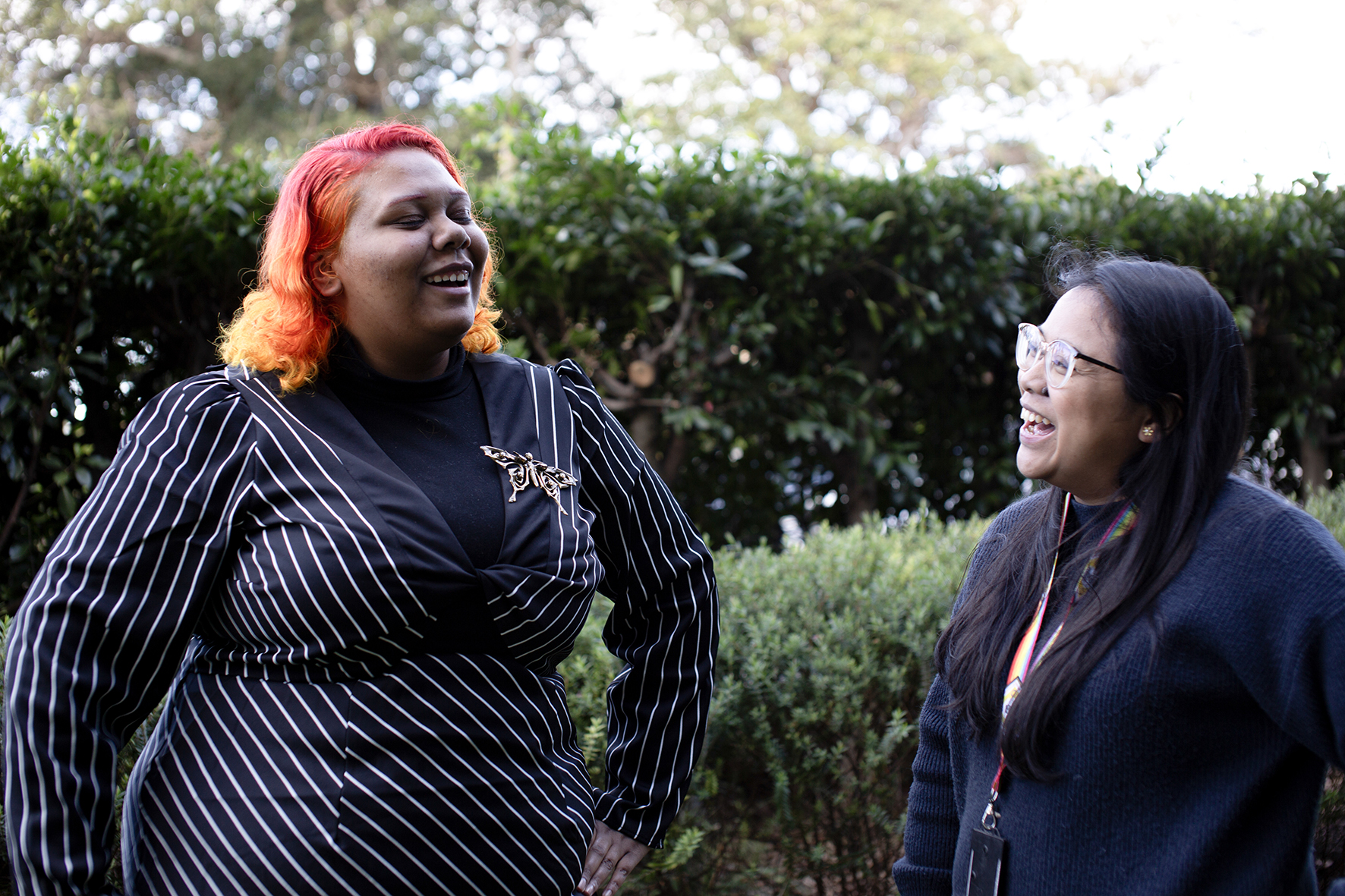
Brooklyn also sees traineeships as a critical pathway in the diversity and inclusion space, not only for supporting Aboriginal and Torres Strait Islander peoples but for strengthening inclusion across the entire organisation.
“When we uplift and support First Nations communities here at the University, we also uplift other diverse communities. It’s important to understand that this work doesn’t just benefit one group – when we uplift each other, everyone benefits.”
In that context, offering genuine opportunities for professional development is essential.
“We need to create real pathways for Aboriginal and Torres Strait Islander communities, youth and emerging leaders. Inclusion has to be something we practise, not just talk about.”
That commitment extends beyond individual roles. Brooklyn believes everyone within an organisation has a responsibility to contribute to culturally safe and inclusive workplaces.
“No matter what our role or area of expertise is, we all have a part to play in creating an inclusive and safe environment. If people don’t feel represented or culturally safe, they’re unlikely to stay and attracting and retaining talent really matters.”
Lizzy’s presence in the team has also brought fresh energy and perspective.
“Trainees like Lizzy bring creativity and new ways of thinking. Their views are genuinely valued, especially when it comes to supporting students and thinking about future leaders.”
Throughout the traineeship, Lizzy has developed a broad range of transferable skills, from event and project management to stakeholder engagement and communication.
“These aren’t just event-specific skills. They’re skills that will carry across any role or organisation. Navigating relationships, building trust and managing different needs are skills Lizzy is continuing to build on and she already brings so much to the table.”
For Brooklyn, the traineeship has also been an opportunity for personal growth.
“It’s helped me develop as a supervisor and given me space to reflect on my own practice. It really is a two-way learning experience and it reflects the strength of our broader team.”
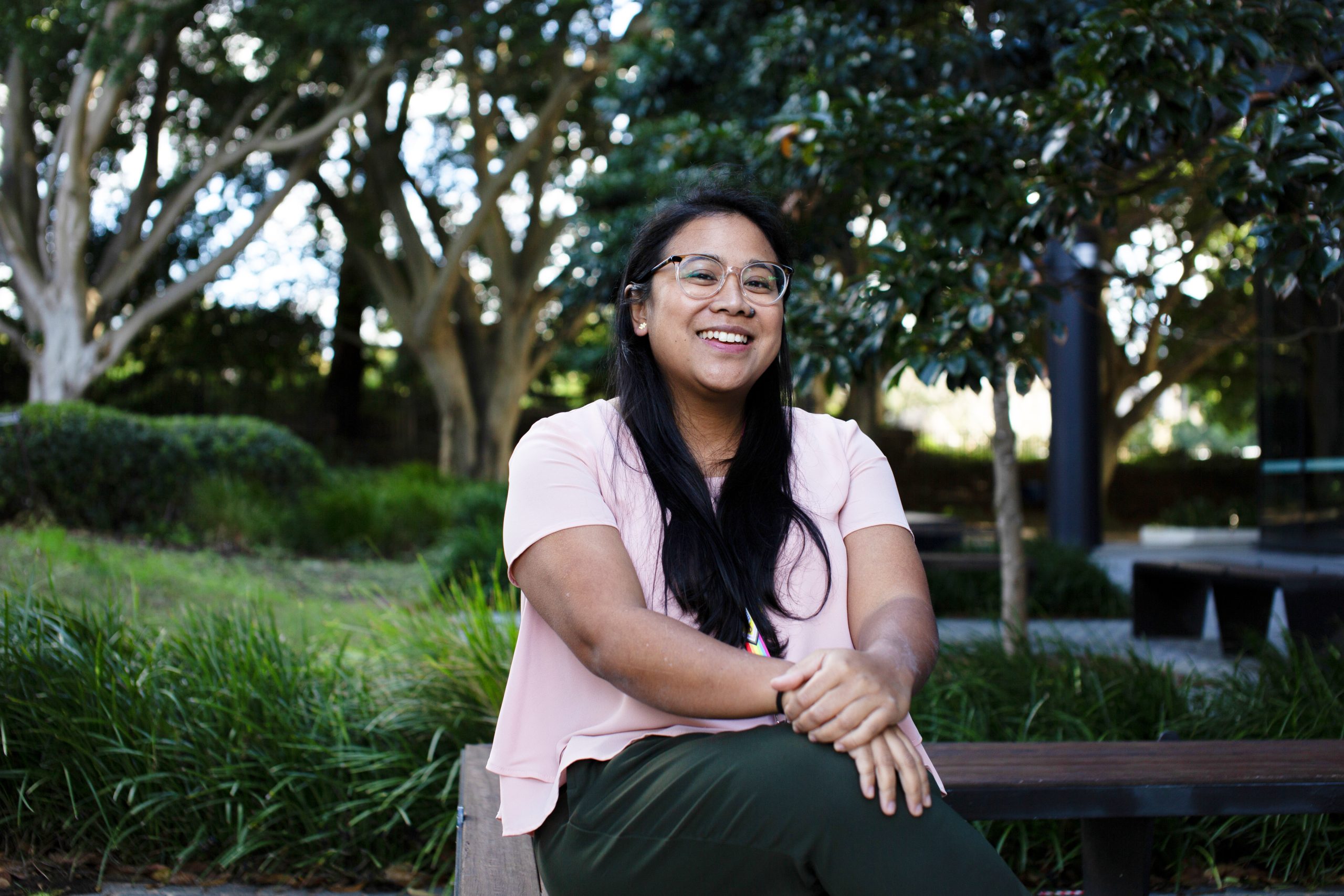
Open communication has been key.
“We check in regularly, we keep the lines of communication open and we work together as a team. There’s no hierarchy in how we learn from each other.”
Looking ahead, Brooklyn hopes the traineeship serves as a launching pad for Lizzy’s career and offers advice for others supervising a trainee for the first time.
“It’s great having another set of eyes and ears and it’s professional development for the supervisor too. Go into it with an open mind and avoid a hierarchical approach, think of it as peer-to-peer learning.”
She also encourages supervisors to actively involve trainees in shaping their experience.
“Ask them where they want to grow, what skills they want to develop and where they see themselves in a few years. Where possible, offer opportunities that align with that. As a supervisor, you have the ability to shape their experience and that can make all the difference.”
At its core, Brooklyn’s approach is simple but powerful: lead with care, stay curious and walk the walk when it comes to inclusion.
“When people feel safe, respected and supported – everyone benefits and that’s when the real work can happen.”
Since 2000, we have kick-started the careers of over 3,000 Aboriginal and Torres Strait Islander Trainees.
The Warumilang Program is our dedicated Aboriginal and Torres Strait Islander Program to assist First Nations peoples. With tailored employment and training pathways that aim to provide opportunities for First Nations peoples to thrive and be successful.