Creating Future Leaders
At the University of Sydney, the Indigenous traineeship program led by Craig Seinor-Davies has become a practical and effective pathway into professional employment for Aboriginal and Torres Strait Islander young people. Delivered in partnership with AFL SportsReady, the program combines structured employment with intentional development, creating opportunities that extend well beyond a single role.
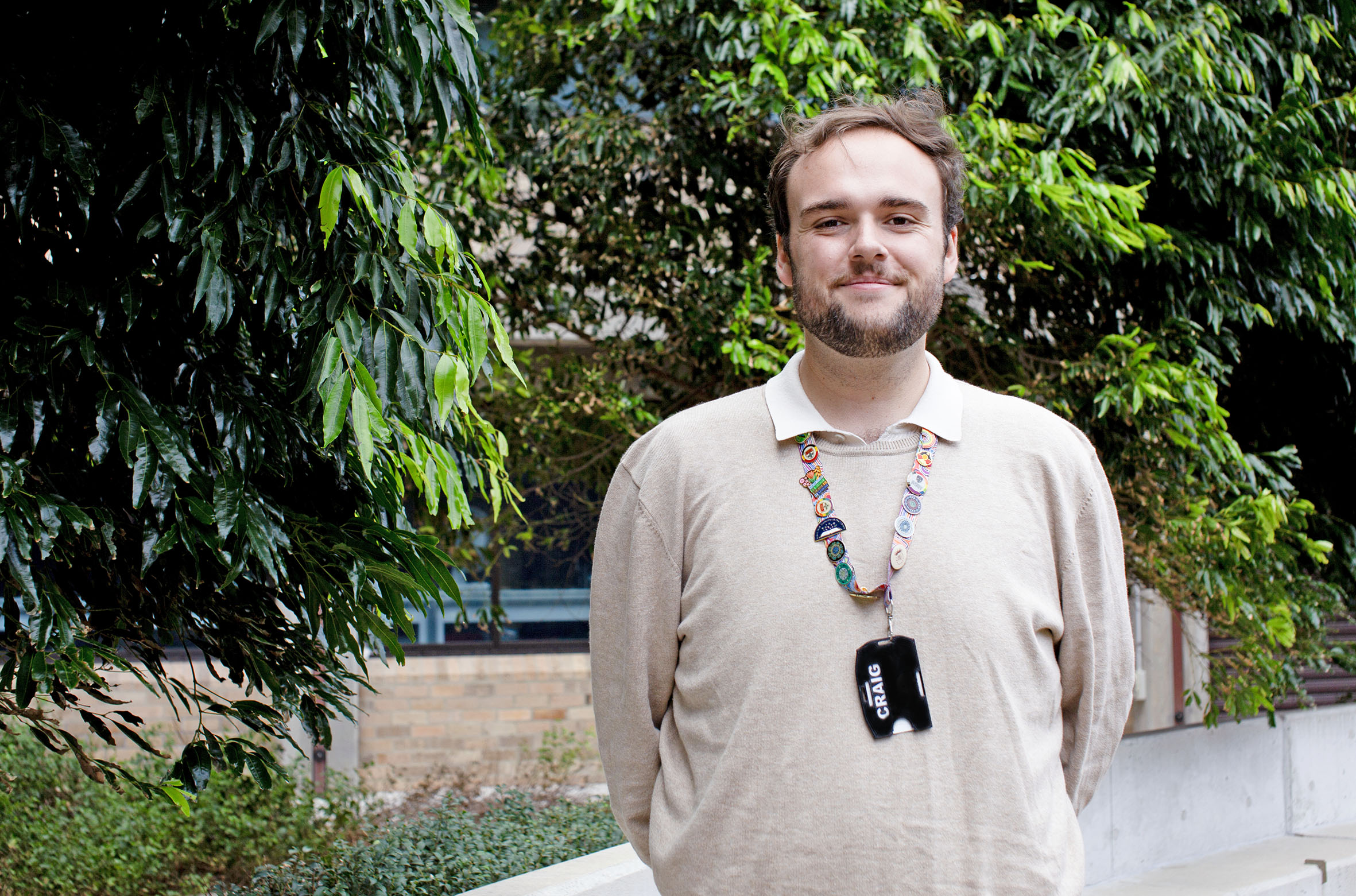
“The program isn’t just about employment. It’s about giving young people the skills, experience and confidence to see themselves in professional roles and to know they can make an impact here at the University and in the community.”
The program was established with a clear purpose: to support young Mob into entry-level employment and to create genuine pathways into the university sector. Over time, it has developed into a sustainable model for growing talent from within. Trainees commence in supported roles and, where opportunities arise, progress into positions across the University. These opportunities range from administrative functions through to project and professional staff roles.
“Our traineeship program started as a way to get our young Mob into entry level jobs and employment. It’s also about helping our communities to upskill into the university sector. It’s a way to grow talent here so we can move them into roles all across the University.”
For many participants, the traineeship is a significant milestone, often their first experience at university or in a large organisation. “Some of our trainees have never worked in a formal workplace before. The first few weeks can be a steep learning curve but by the time they’ve been here six months, the transformation is incredible.” The program gives trainees the support they need to build confidence and skills.
A strong emphasis is placed on transferable capability. Trainees develop skills in professional communication, budgeting, report writing, program tracking and navigating governance processes. “These are everyday skills that prepare them for any career. It’s not just about a job here, rather equipping them for long-term success.”
The program also provides trainees meaningful exposure across the University, including opportunities to meet directors, managers and executive leaders. As well as access to mentoring and professional development programs and the ability to attend conferences (sometimes interstate) to build both skills and networks. “We try to give them every chance to see what’s possible. It might be a meeting with a director, a workshop with a senior leader or attending a national conference, these are experiences that shape how they see themselves professionally.”
Craig’s remit extends beyond employment pathways to cultural competency and capability across the institution. Embedding trainees within teams has proven to be one of the most effective ways to build cultural understanding in a practical, day-to-day way.
“The best way to uplift culture across the University is to create genuine exposure and connection.”
Having trainees across faculties and professional units supports meaningful engagement with events such as Reconciliation Week, NAIDOC Week and Mabo Day. Rather than being symbolic calendar moments, they become opportunities for informed participation and conversation, strengthening cultural awareness across teams.
The outcomes demonstrate the value of the approach. Between six and eight former trainees remain employed at the University in both professional and academic roles, including within HR, the Library and the Law School.
“Seeing past trainees step into these roles is one of the most rewarding parts of this work. It shows the program works and that investing in people really pays off.”
Trainees have also contributed to significant external-facing work. Four participants last year, and three this year, have been involved in research through the Matilda Centre for Research in Mental Health and Substance Use. “The research they’ve been part of is incredible. Some of the trainees will be referenced in research and policy directly impacting the lives and medical experience of young people across the state. That’s a huge achievement at this stage of their careers.” Current trainees are contributing to the development of early intervention domestic violence resources for schools, work with real and lasting impact. “It’s amazing to see them influencing projects that will make a difference for years to come.”
Employment at the end of the traineeship isn’t automatically guaranteed.
“Not every trainee stays here. But the skills, networks and experience they gain set them up for success wherever they go. That’s what really matters.” For this reason, the program is intentionally designed to provide diverse experience, strong networks and practical skills that position participants for continued employment, either within the University or externally.
Through this collaboration, the University continues to strengthen pathways for Mob while embedding cultural capability more deeply across the institution. “The program is about giving young people a chance to learn, grow and lead. In doing so, they teach all of us a bit more about culture, community and possibility.”
Since 2000, we have kick-started the careers of over 3,000 Aboriginal and Torres Strait Islander Trainees.
The Warumilang Program is our dedicated Aboriginal and Torres Strait Islander Program to assist First Nations peoples. With tailored employment and training pathways that aim to provide opportunities for First Nations peoples to thrive and be successful.